
Reducing Risk and Improving Care: The Role of Safeguarding in Dementia Support
Jun 13, 2026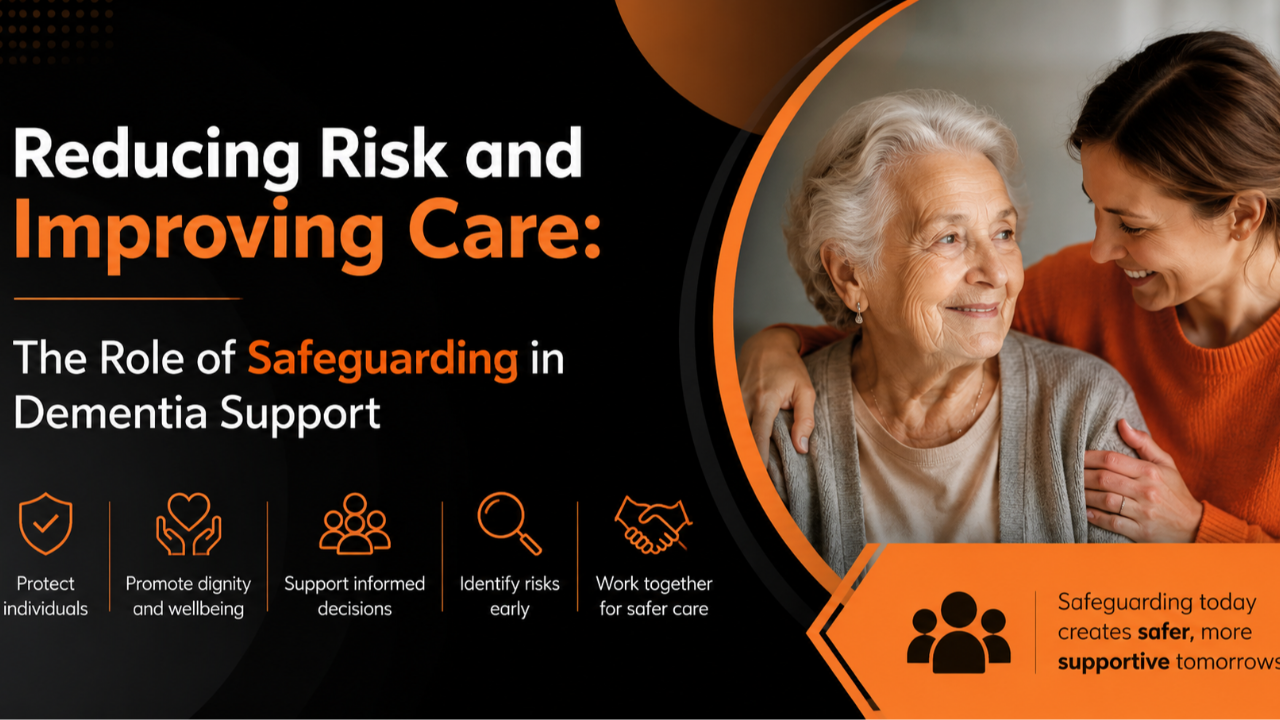
Dementia support extends beyond symptom management; it requires protecting vulnerable individuals from abuse, neglect, and exploitation. Safeguarding ensures safety while upholding dignity, independence, and rights.
Effective safeguarding creates supportive environments rather than restricting freedom. With rising global prevalence, it remains essential across health, housing, and community services.
Understanding Safeguarding in Dementia Care
Safeguarding refers to the measures taken to protect individuals from abuse, neglect, exploitation, discrimination, and avoidable harm. For people living with dementia, safeguarding can involve:
- Recognizing signs of physical, emotional, financial, or psychological abuse
- Preventing neglect and inadequate care
- Protecting individuals from scams and financial exploitation
- Ensuring safe medication management
- Supporting informed decision-making whenever possible
- Promoting dignity, independence, and person-centered care
The goal is not simply to prevent harm but to enable people with dementia to live as safely and independently as possible.
Understanding Risk in Dementia Care
People living with dementia often face unique challenges that can increase their vulnerability.
Common risks may include:
-
Financial Abuse
Individuals may struggle to manage finances, making them more susceptible to scams, coercion, or exploitation by others.
-
Self-Neglect
Cognitive changes can affect personal hygiene, nutrition, medication management, and household safety.
-
Physical Harm
Falls, wandering, medication errors, and unsafe living conditions can place individuals at increased risk of injury.
-
Emotional and Psychological Abuse
People living with dementia may experience bullying, intimidation, manipulation, or inappropriate treatment.
-
Neglect
Insufficient support, poor care practices, or unmet needs can significantly impact health and wellbeing.
-
Social Isolation
Reduced social connections may increase vulnerability while negatively affecting mental and emotional health.
Recognising these risks early enables care providers and families to intervene before concerns escalate.
Balancing Safety and Independence
One of the most challenging aspects of safeguarding in dementia care is balancing protection with personal autonomy.
People living with dementia still have the right to make choices about their lives whenever possible.
A person-centred approach asks:
- What matters most to this individual?
- What risks are present?
- How can risks be reduced without removing independence?
- What support would help maintain wellbeing and safety?
Rather than focusing solely on risk avoidance, modern dementia care promotes positive risk-taking.
Positive risk-taking acknowledges that some level of risk is a normal part of life and that excessive restrictions can negatively affect wellbeing, identity, and quality of life.
The Importance of Early Identification
Safeguarding concerns often develop gradually.
Subtle warning signs may include:
- Unexplained injuries
- Changes in mood or behaviour
- Missed appointments
- Poor nutrition
- Medication issues
- Unpaid bills
- Increased anxiety
- Withdrawal from social activities
- Deterioration in personal care
Training staff and caregivers to recognise these indicators can help prevent more serious harm.
Early intervention often leads to better outcomes for both individuals and families.
The Role of Families and Care Partners
Families play a critical role in safeguarding people living with dementia.
Many family caregivers are the first to notice changes that may indicate increased risk.
Care partners can support safeguarding by:
- Maintaining regular communication
- Monitoring changes in wellbeing
- Supporting financial oversight
- Encouraging social engagement
- Reporting concerns promptly
- Working collaboratively with professionals
However, caregivers themselves may also require support.
High levels of stress, burnout, and emotional strain can affect a caregiver's ability to provide safe and effective care.
Providing education, respite, and practical support strengthens safeguarding outcomes for everyone involved.
Technology and Safeguarding
Technology is increasingly supporting safer dementia care.
Examples include:
-
Medication Management Systems
Digital reminders can reduce missed or incorrect medication use.
-
GPS and Location Support
Appropriate technology may help reduce risks associated with getting lost while promoting greater independence.
-
Home Monitoring Solutions
Sensors and smart devices can identify changes in activity patterns and alert caregivers to potential concerns.
-
Communication Tools
Video calls and digital platforms help maintain social connections and reduce isolation.
Technology should always complement, rather than replace, human relationships and personalised support.
Creating a Culture of Safeguarding
Effective safeguarding is everyone's responsibility.
Organisations that deliver dementia care should foster cultures where:
- Concerns are raised without fear
- Continuous learning is encouraged
- Person-centred care is prioritised
- Staff receive ongoing training
- Multi-disciplinary collaboration is valued
- Individuals and families are actively involved
Strong safeguarding cultures focus on prevention as much as protection.
When safeguarding becomes part of everyday practice, risks can be identified earlier and addressed more effectively.
Safeguarding as Part of High-Quality Dementia Care
Safeguarding is integral to high-quality dementia care, not a separate task.
By addressing risks and supporting autonomy, it creates safer environments where dignity and person-centred care are balanced.
Effective safeguarding ensures individuals experience better wellbeing and quality of life while their rights and voices are respected.
How confident is your team in handling dementia safeguarding? Could further training improve safety and care outcomes?
Discover how specialised dementia education and safeguarding training can help strengthen your workforce, improve outcomes, and support safer, more effective care.
Book a Free Discovery Call
Discover how expert consultancy and workforce development can support your organisation in building stronger integrated care systems.
Subscribe to Our Newsletter
Stay informed with the latest insights, best practices, and guidance in health and social care leadership.