
Dementia Management in Modern Society: Are We Prepared for the Growing Challenge?
Jun 27, 2026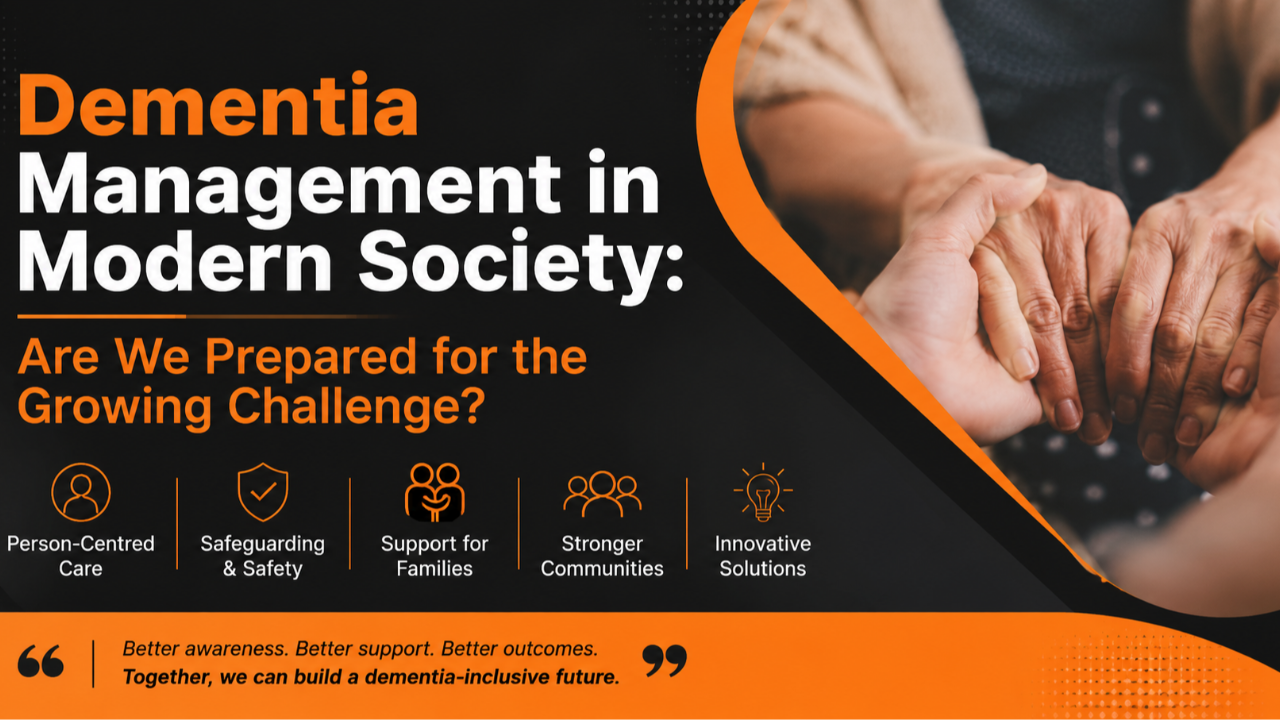
Global population aging has made dementia a primary health and social care challenge. Millions of families are navigating its complexities as systems strive to provide specialized support.
Modern management requires a coordinated, person-centred approach. This includes safeguarding, community and family involvement, workforce training, and technological innovation.
By adopting evidence-based solutions, professionals can ensure individuals with dementia maintain dignity and independence longer.
Understanding Dementia in Today's Society
Dementia is an umbrella term describing a range of conditions that affect memory, thinking, communication, behavior, and the ability to perform everyday activities. While symptoms vary between individuals, dementia is progressive and often requires increasing levels of support over time.
Modern society presents both opportunities and challenges for dementia care. Advances in healthcare, technology, and community-based support have improved outcomes, yet many barriers remain.
Key Challenges in Dementia Management
1. Rising Prevalence and Demand for Care
As life expectancy increases, more individuals are living with dementia. This creates pressure on healthcare systems, care providers, and families who often serve as primary caregivers.
The growing demand highlights the need for sustainable, person-centred care models that can adapt to increasing complexity.
2. Delayed Diagnosis
Many people experience delays in receiving a dementia diagnosis due to stigma, lack of awareness, or difficulties accessing specialist services.
Early diagnosis is critical because it enables:
- Timely support planning
- Access to interventions
- Improved care coordination
- Better outcomes for individuals and families
3. Caregiver Burden
Family caregivers frequently experience:
- Emotional stress
- Physical exhaustion
- Financial challenges
- Social isolation
Without adequate support, caregiver burnout can impact both the caregiver's wellbeing and the quality of care provided.
4. Safeguarding and Risk Management
Individuals living with dementia may face increased risks, including:
- Financial exploitation
- Neglect
- Abuse
- Falls and injuries
- Wandering and getting lost
- Medication mismanagement
Balancing safety with autonomy remains one of the most complex aspects of dementia care.
5. Workforce Challenges
Health and social care providers often face workforce shortages, limited specialist training, and increasing case complexity.
Staff require ongoing education to respond effectively to changing needs and emerging best practices.
Practical Solutions for Better Dementia Management
Person-Centred Care Approaches
Person-centred care remains the foundation of high-quality dementia support.
This approach focuses on:
- Individual preferences
- Personal history
- Life experiences
- Abilities rather than limitations
- Meaningful engagement
When care is tailored to the individual, people often experience improved wellbeing, reduced distress, and stronger relationships with caregivers.
Early Intervention and Assessment
Prompt assessment allows professionals to:
- Identify changing needs
- Develop individualized care plans
- Introduce appropriate support services
- Prevent avoidable crises
Regular reviews help ensure care remains responsive as dementia progresses.
Strengthening Family Support
Families play a critical role in dementia care.
Support can include:
- Caregiver education
- Respite services
- Peer support groups
- Practical guidance
- Emotional support resources
Empowered caregivers are better equipped to provide sustainable care while maintaining their own wellbeing.
Community-Based Support Systems
Communities have an important role in creating dementia-friendly environments.
Effective initiatives include:
- Dementia awareness programs
- Inclusive public spaces
- Accessible transportation
- Community support networks
- Local volunteer programs
These efforts help reduce isolation and promote social inclusion.
The Role of Technology in Modern Dementia Care
Technology is increasingly supporting safer and more effective dementia management.
Examples include:
Digital Monitoring Systems
These systems can help identify changes in daily routines, detect risks, and provide reassurance to families and care providers.
Medication Management Tools
Automated reminders and monitoring systems can support medication adherence and reduce errors.
GPS and Location Technology
For individuals at risk of wandering, location technologies can improve safety while supporting independence.
Telehealth Services
Remote consultations improve access to specialist advice, particularly in rural and underserved communities.
Technology should always complement human care rather than replace meaningful personal interactions.
Best Practices for Safeguarding Individuals Living with Dementia
Safeguarding should be integrated into every aspect of dementia care.
Best practices include:
Promote Positive Risk-Taking
Risk management should not focus solely on restriction. Supporting informed choices can help maintain independence and dignity.
Regular Risk Assessments
Ongoing assessments help identify:
- Environmental hazards
- Financial vulnerabilities
- Health concerns
- Social risks
Multi-Disciplinary Collaboration
Successful safeguarding often requires collaboration between:
- Healthcare professionals
- Social care teams
- Families
- Community organizations
- Advocacy services
Continuous Staff Training
Education enables professionals to recognize concerns early and respond appropriately.
Training should cover:
- Safeguarding principles
- Communication strategies
- Capacity considerations
- Dementia-specific risk factors
Building a Dementia-Inclusive Future
Effective dementia management requires a holistic, person-centered approach that respects individual needs. By integrating safeguarding, family support, professional training, and technology, organizations can help individuals thrive. The goal is to move beyond symptom management to empower people to live purposeful lives with dignity.
Are our health and social care systems truly prepared to meet the growing needs of people living with dementia?
Book a Free Discovery Call
Discover how expert consultancy and workforce development can support your organisation in building stronger integrated care systems.
Subscribe to Our Newsletter
Stay informed with the latest insights, best practices, and guidance in health and social care leadership.