
Understanding Complex Dementia Cases: What Makes Them Challenging?
Jun 06, 2026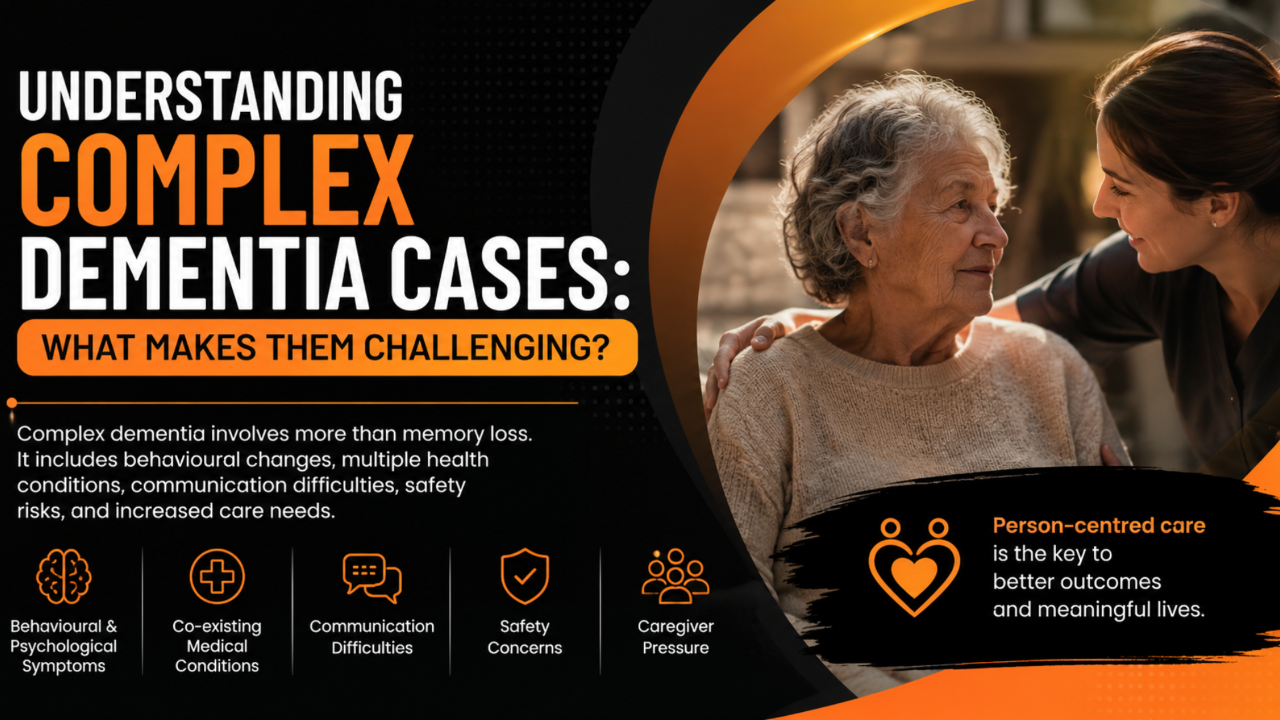
Dementia typically impacts memory and cognition, but complex dementia cases involve significantly more challenging symptoms, health risks, and care requirements. Identifying what makes a case complex is vital for families and professionals to provide safe, effective, and compassionate support.
What Is a Complex Dementia Case?
A complex dementia case typically involves multiple factors that make care more challenging than in standard dementia presentations. These factors may include:
- Advanced cognitive decline
- Significant behavioural and psychological symptoms
- Multiple chronic health conditions
- Increased risk of falls or injury
- Wandering or exit-seeking behaviours
- Communication difficulties
- Medication management challenges
- Increased caregiver stress and burnout
- Frequent hospital admissions
- Safety concerns within the home or community
Complexity often arises not from a single symptom but from the interaction of several challenges occurring simultaneously.
Behavioural and Psychological Symptoms
One of the biggest challenges in complex dementia cases is managing behavioural and psychological symptoms.
These may include:
- Agitation
- Aggression
- Anxiety
- Depression
- Hallucinations
- Delusions
- Sleep disturbances
- Repetitive questioning or behaviours
These symptoms can be distressing for both the individual living with dementia and those providing care. They may also increase the likelihood of emergency interventions or transitions into higher levels of care.
Co-Existing Medical Conditions
Many people living with dementia also experience other health conditions such as:
- Diabetes
- Heart disease
- Stroke-related complications
- Parkinsonism
- Arthritis
- Vision or hearing impairments
Managing multiple conditions alongside dementia can complicate treatment plans and increase the risk of medication interactions, hospitalisations, and functional decline.
Healthcare teams must balance the needs of each condition while ensuring care remains person-centred and appropriate for the individual's overall wellbeing.
Communication Challenges
As dementia progresses, communication often becomes more difficult.
Individuals may struggle to:
- Find the right words
- Understand conversations
- Express pain or discomfort
- Communicate their needs and preferences
When communication barriers increase, unmet needs can sometimes be expressed through behavioural changes rather than words. Understanding these underlying causes is critical for effective dementia support.
Increased Safety Risks
Safety concerns become more prominent in complex dementia cases.
Common risks include:
- Falls
- Wandering
- Medication errors
- Poor nutrition and hydration
- Household hazards
- Difficulty recognising emergencies
Balancing safety with independence requires thoughtful planning and ongoing assessment. Families and care providers often need to adapt environments and routines to reduce risks while preserving dignity and quality of life.
The Impact on Families and Caregivers
Complex dementia cases do not affect only the individual living with dementia. Family members and caregivers often face significant emotional, physical, and financial pressures.
Challenges may include:
- Managing difficult behaviours
- Coordinating healthcare appointments
- Navigating care systems
- Providing supervision
- Making difficult decisions about care arrangements
Without adequate support, caregiver stress can become overwhelming. Education, respite services, and community-based support programs play a vital role in sustaining caregiver wellbeing.
Why Person-Centred Care Matters
Complex dementia care requires more than symptom management.
Person-centred care focuses on understanding:
- The individual's history
- Personal preferences
- Life experiences
- Cultural background
- Values and goals
This approach helps ensure that care decisions are tailored to the person rather than solely focused on the diagnosis.
By recognising the unique needs of each individual, care teams can better address behavioural symptoms, improve communication, and support quality of life.
Building Better Support Systems
As dementia prevalence continues to grow, health and social care services must be prepared to support increasingly complex cases.
Effective support systems include:
- Specialised dementia training
- Interdisciplinary care teams
- Community-based services
- Caregiver education
- Home safety programs
- Technology-assisted monitoring and support
Collaboration between healthcare providers, families, and community organisations is essential for delivering comprehensive dementia care.
Complex dementia care involves behavioral symptoms, medical comorbidities, and caregiver strain beyond memory loss. Addressing these requires person-centered strategies and robust community support. Success depends on compassionate systems prioritizing dignity and purpose.
What dementia care challenges have you faced, and which resources helped most?
Discover professional dementia care, safeguarding, and person-centred care training designed to support safer care delivery.
Book a Free Discovery Call
Discover how expert consultancy and workforce development can support your organisation in building stronger integrated care systems.
Subscribe to Our Newsletter
Stay informed with the latest insights, best practices, and guidance in health and social care leadership.