
The Future of Dementia Care: Person-Centred Services for Complex and High-Risk Cases
May 16, 2026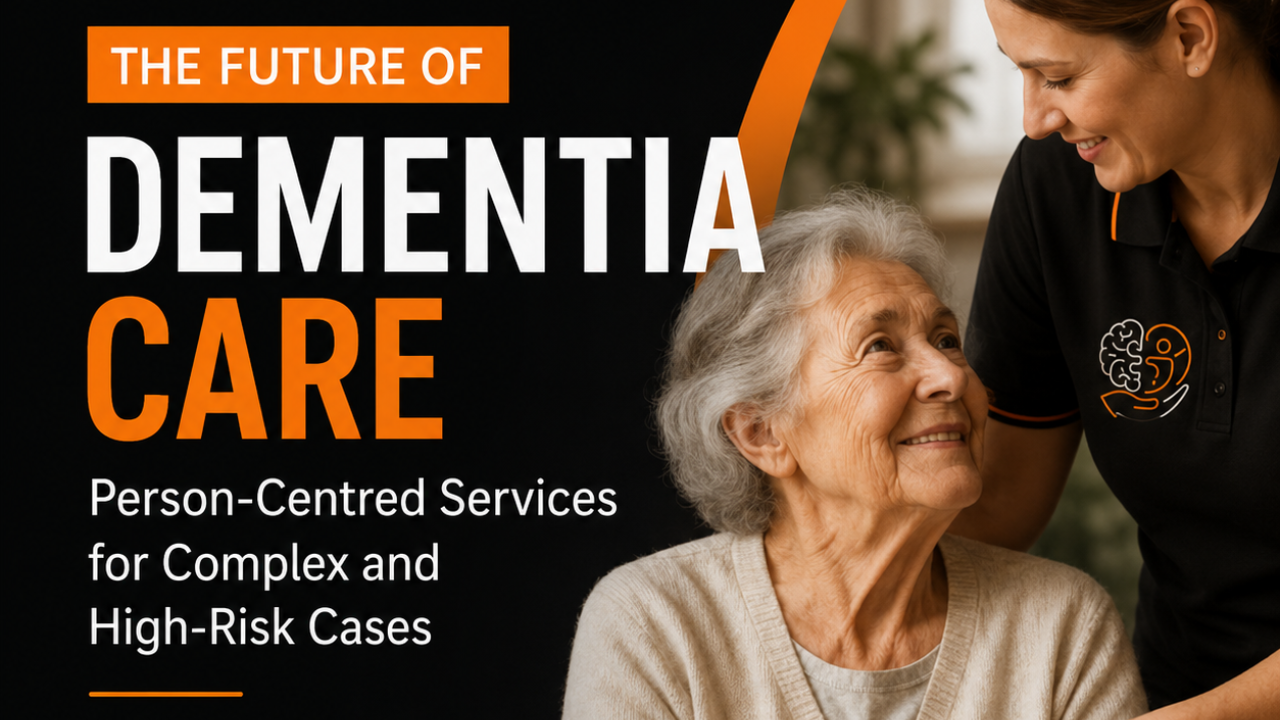
Dementia care is evolving rapidly. As healthcare providers, care homes, and families face increasingly complex challenges, traditional task-based approaches are no longer enough to meet the needs of people living with dementia.
Modern dementia care focuses on person-led and person centred models prioritising dignity, individuality, safety, and emotional wellbeing. Specialist support is now vital for advanced dementia involving behavioural complexities, safeguarding issues, or high-risk cases.
Why Dementia Care Needs to Change
Across health and social care settings, professionals are seeing a rise in:
- Complex behavioural distress
- Self-neglect and safeguarding concerns
- Mental health challenges
- Medication-related complications
- Family breakdown and carer burnout
- Crisis admissions and emergency interventions
Many traditional care systems still focus heavily on routines and task completion. While structure remains important, dementia care must go beyond physical assistance to truly support the person behind the diagnosis.
The future of effective dementia care requires services that understand:
- personal history
- emotional triggers
- communication styles
- trauma-informed care
- environmental influences
- cognitive and psychological needs
What Is Person Led and Person Centred Dementia Care?
Person Led and person-centred dementia care focuses on the individual rather than the condition itself.
Instead of asking: “What tasks need to be completed today?”
Care teams ask: “What does this person need to feel safe, valued, understood, and comfortable?”
This approach promotes:
- dignity and respect
- emotional wellbeing
- independence where possible
- safer care delivery
- reduced distress behaviours
- stronger relationships between carers and individuals
Person led and person-centred services are especially important within dementia care where behavioural, psychological, or safeguarding concerns are present.
Supporting Complex and High-Risk Dementia Cases
Complex dementia care often involves individuals who require specialist interventions beyond standard residential or domiciliary support.
These may include:
- behaviours that challenge
- behaviours linked to distress or unmet needs
- falls risks
- severe confusion or disorientation
- safeguarding concerns
- refusal of care
- hospital discharge complexities
- co-existing mental health conditions
Without specialist support, these situations can escalate quickly and negatively impact both the individual and care teams.
That is why modern dementia care services must combine:
- clinical expertise
- safeguarding knowledge
- behavioural support strategies
- risk management
- compassionate communication
- family collaboration
The Role of Safeguarding in Modern Dementia Care
Safeguarding is becoming a central part of dementia care services.
Adults living with dementia are often more high risk to:
- neglect
- abuse
- financial exploitation
- social isolation
- medication errors
- unsafe living conditions
Person led and person centred safeguarding ensures that safety measures protect individuals without removing their dignity, autonomy, or voice.
Modern dementia services should balance:
- protection
- independence
- rights-based care
- positive risk-taking
- emotional wellbeing
This balance is critical when supporting complex and high-risk individuals.
How Specialist Dementia Services Improve Outcomes
Specialist dementia services help organisations and families:
- reduce crisis situations
- improve quality of life
- strengthen safeguarding practices
- support care staff
- improve compliance and governance
- reduce avoidable hospital admissions
- create safer care environments
Person led and person centred strategies also help care teams better understand behavioural distress as communication rather than “behaviours that challenge.”
This shift transforms care delivery from reactive management to proactive support.
The Importance of Training and Consultancy
The future of dementia care also depends on continuous education and specialist guidance.
Care providers increasingly benefit from:
- dementia-specific staff training
- safeguarding consultancy
- behavioural risk assessments
- care planning support
- leadership guidance
- policy development
- crisis management strategies
With proper training, care professionals can respond more confidently and compassionately to complex dementia situations.
Looking Ahead: The Future of Dementia Care
As dementia care continues to evolve, successful organisations will be those that embrace:
- person led and person centred care models
- integrated safeguarding approaches
- specialist clinical support
- trauma-informed care
- collaborative family engagement
- proactive risk management
The future is not simply about managing dementia.
It is about helping individuals live with dignity, purpose, connection, and safety even in the most complex circumstances.
Person led and person centred care is essential in modern health and social care, forming the basis for safe and effective support for those with complex needs.
Integrating specialist expertise and safeguarding improves outcomes for both dementia patients and their caregivers.
Providers prioritising empathy and dignity will define the future of the sector.
Are Your Dementia Care Services Ready for the Future?
Explore how specialist person led and person centred care, safeguarding, and complex case management improve outcomes, reduce risk, and enhance compassionate delivery.
Book a Free Discovery Call
Discover how expert consultancy and workforce development can support your organisation in building stronger integrated care systems.
Subscribe to Our Newsletter
Stay informed with the latest insights, best practices, and guidance in health and social care leadership.