
Community-Based Dementia Support that Empowers and Enables within the Home
May 30, 2026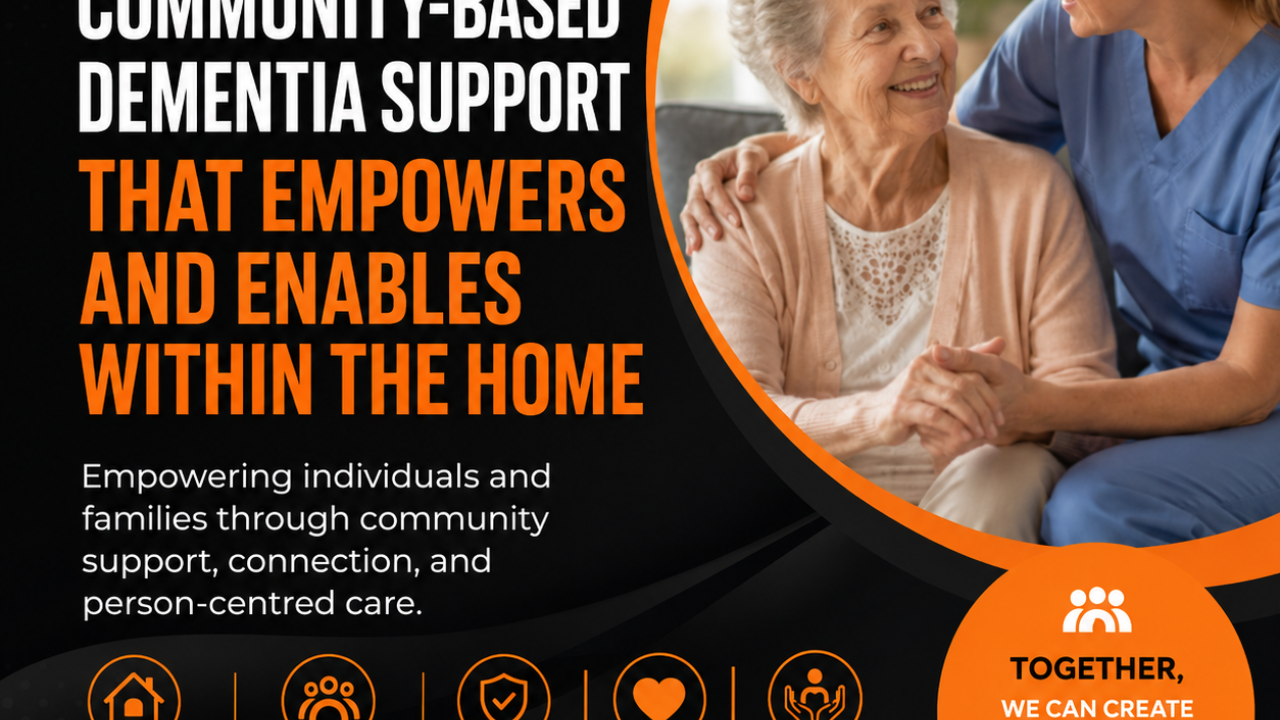
Hobson explores the global perspectives of dementia in her book with a key focus on the increase in dementia diagnoses and the impact that this has for home-based support to keep people living with dementia empowered and enabled to remain safe and independent. Home provides emotional security and identity, making community-based care a vital part of modern social services (Hobson, 2025).
Empowering and enabling people living with dementia involves more than just being in their house; it requires preserving dignity and routines through coordinated systems, trained caregivers, and proactive safeguarding.
What Is Community-Based Dementia Support
Community-based dementia support refers to services, programs, and care approaches designed to help people living with dementia to continue living within their local communities rather than moving prematurely into institutional care settings.
These services may include:
- Home care support
- Dementia-friendly community initiatives
- Day programs and social groups
- Occupational therapy
- Caregiver education and respite
- Medication and health monitoring
- Falls prevention and safeguarding support
- Community nursing and multidisciplinary care
The goal is to balance independence with safety while improving quality of life for both the person and their caregivers.
Why Empowering and Enabling at Home Matters in Dementia Care
For people living with dementia, familiar environments can significantly reduce anxiety, confusion, and behavioral distress. Remaining at home often supports:
Emotional Stability
Familiar routines, personal belongings, and known surroundings provide reassurance and comfort.
Greater Independence
Individuals may retain functional abilities longer when supported in environments they recognize.
Stronger Social Connections
Remaining in the community allows people living with dementia to continue engaging with neighbours, friends, faith groups, and local activities.
Reduced Hospital Admissions
Effective community support can help prevent crises related to falls, medication errors, dehydration, malnutrition, or behaviours that challenge.
Improved Family Involvement
Families are often better able to participate actively in care planning and daily support when loved ones remain nearby.
Key Challenges in Community Dementia Care
Although empowering and enabling people living with dementia at home offers many benefits, it also comes with important challenges that health and social care providers must address.
1. Caregiver Burnout
Family caregivers frequently experience emotional, physical, and financial strain. Without appropriate support, caregiver fatigue can negatively affect both the caregiver and the person receiving care.
Providing caregiver education, respite opportunities, and emotional support is essential for long-term sustainability.
2. Safety Risks at Home
People living with dementia may face increased risks related to:
- Falls
- Medication mismanagement
- Behaviours that challenge
- Kitchen accidents
- Self-neglect
- Financial exploitation
Community-based safeguarding strategies help reduce these risks while respecting the person’s autonomy.
3. Limited Access to Dementia Training
Many frontline staff in health and social care settings still report limited dementia-specific training. This can affect communication, behavioral support, risk management, and person-led and person centred care delivery.
Improving dementia education across community services is vital to delivering safer care at home.
4. Social Isolation
Loneliness and isolation can worsen cognitive decline and emotional wellbeing. Dementia-friendly community programs help maintain meaningful social engagement and reduce stigma.
Building Dementia-Friendly Communities
Communities play a critical role in supporting safer aging at home. Dementia-friendly communities focus on inclusion, accessibility, awareness, and compassion.
Examples include:
- Dementia awareness training for local businesses
- Accessible transport services
- Memory cafés and support groups
- Safe walking programs
- Inclusive social activities
- Community volunteer initiatives
When communities understand dementia better, individuals and families often feel less isolated and more supported.
The Importance of Person-Led and Person Centred Care
No two people experience dementia in the same way. Person-led and person centred care focuses on understanding the individual beyond the diagnosis.
Effective support includes:
- Respecting personal preferences
- Supporting meaningful activities
- Understanding life history and routines
- Encouraging independence where possible
- Involving families in decision-making
Person-led and person centred approaches improve wellbeing while reducing distress and responsive behaviors.
Technology, Empowering and Enabling at Home
Technology is increasingly supporting community dementia care through:
- Medication reminders
- GPS location devices
- Fall detection systems
- Video consultations
- Smart home monitoring
- Emergency response systems
When used appropriately, technology can enhance safety whilst supporting independence and caregiver reassurance. However, this will need to be considered within the context of the right legal framework associated with the mental capacity legislation and that this is done in the person’s best interest and that it is proportionate.
The Future of Community-Based Dementia Support
As health and social care systems evolve, there is growing recognition that institutional care alone cannot meet the increasing demands within dementia services. Future dementia care models will likely focus more heavily on:
- Integrated community care
- Multidisciplinary collaboration
- Early intervention
- Dementia-friendly housing
- Advanced caregiver support services
Investing in community-based dementia support not only improves outcomes for people living with dementia and their loved ones, but also helps create more sustainable health and social care integrated systems.
Community-based dementia support extends beyond the home and protects dignity, inclusion, and safety while enhancing quality of life.
How prepared is your community to empower and enable people living with dementia?
Discover specialised training, safeguarding, and person-led and person centred care to help you provide safer and more effective care.
Book a Free Discovery Call
Discover how expert consultancy and workforce development can support your organisation in building stronger integrated care systems.
Subscribe to Our Newsletter
Stay informed with the latest insights, best practices, and guidance in health and social care leadership.